How to Launch a Multilingual Ecommerce Store Without the Headache
webceke

Selling beyond your home country is one of the fastest ways to grow a small retail business. But for most independent shop owners, the idea of a multilingual ecommerce store feels overwhelming: translating product pages, juggling currencies, figuring out international shipping, and making sure checkout actually works. The good news? You don’t need a big budget or a team of developers. With the right AI website builder, you can set up a store that speaks your customers’ language and accepts their money—without pulling your hair out.
Why Multilingual Matters More Than You Think
When you sell online, your website is your salesperson. If a visitor lands on your page and doesn’t understand the text, they’ll leave within seconds. Studies show that most online shoppers prefer to buy in their native language, and they’re far more likely to trust a site that shows prices in their own currency. A multilingual ecommerce store isn’t just a nice-to-have—it’s a conversion tool.
But translating your site isn’t just about swapping words. It’s about making the entire experience feel local. That means:
- Product descriptions that don’t sound like a robot wrote them.
- Prices displayed in euros, pounds, or yen, depending on where your customer is.
- Shipping options that make sense for their region.
- Checkout buttons and error messages that are clear in their language.
If any of these are missing, you’ll lose sales. The trick is to do it efficiently, and that’s where AI website builders come in.
Using an AI Website Builder to Go Global Fast
You might think building a multilingual store requires separate domains, plugins, or a developer on call. Not anymore. Modern AI website builders like webceke let you describe your business in one sentence, and they generate a complete, multi-page website—including a store—that’s ready for international customers.
Here’s how it works in practice:
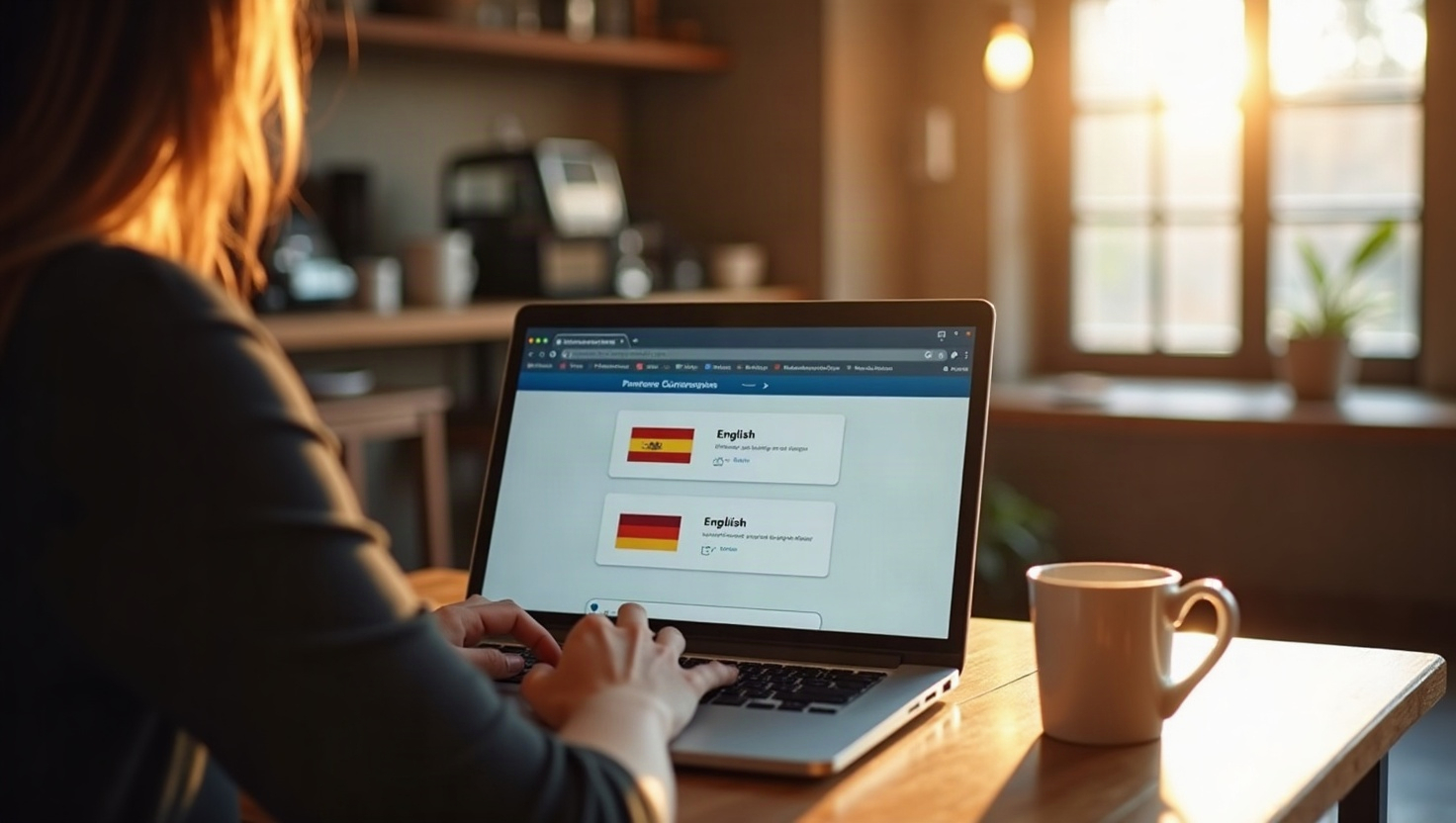
- Automatic translation: The builder uses AI to translate every page, product description, and even blog post into multiple languages. You don’t have to copy-paste or hire a translator. The AI understands context, so your “slim-fit jeans” don’t turn into “thin trousers” in another language.
- Localized currency: Instead of showing only USD, your store can display prices in the customer’s local currency based on their location. This builds trust and reduces cart abandonment.
- Shipping options: You can set up different shipping rates and methods for different regions. For example, free shipping in the US, flat-rate in Europe, and tracked courier for Asia. The AI helps you organize these rules without touching code.
And because the builder handles the technical heavy lifting, you can focus on your products and marketing.
Avoid These Common Pitfalls in Cross-Border Selling
Even with a great tool, there are traps that trip up many small retailers. Here’s what to watch out for:
1. Broken Checkout Flows
The biggest killer of international sales is a checkout that fails halfway. Maybe the address form doesn’t accept a UK postcode, or the payment gateway only supports US cards. Test your checkout from different countries—or ask a friend abroad to do it. With an AI builder, you can often preview how the checkout looks in different languages and currencies.
2. Ignoring Local Payment Methods
Credit cards aren’t universal. In Germany, many people prefer PayPal or invoice. In the Netherlands, iDEAL is huge. In China, it’s Alipay. If your store only accepts Visa and Mastercard, you’re excluding a large chunk of customers. Look for a builder that integrates with multiple payment gateways, or at least offers popular alternatives like PayPal, Apple Pay, and Google Pay.
3. Hidden Costs and Duties
Nothing kills a sale faster than a surprise customs fee at delivery. Be transparent about international shipping costs and duties. Some builders let you add a note at checkout, or even calculate estimated duties. You can also set free shipping thresholds to encourage larger orders.
4. Forgetting About Returns
International returns are a headache, but they’re part of the deal. Make your return policy clear and simple. Offer a local return address if possible, or use a service like Returnly. A clear policy builds trust and reduces buyer hesitation.
How to Streamline Your Multilingual Store with AI
Once your store is live, you’ll need to keep it fresh. That’s where AI really shines. Instead of manually updating every language version when you add a new product, the AI can auto-translate new content instantly. You can also use AI to generate localized marketing copy—like a promo email in Spanish or a social post in French—without starting from scratch.
Another tip: don’t just translate your store—localize it. That means adjusting images, measurement units (kg vs. lbs), and even the tone of your writing. For example, a playful tone might work in the US, but a more formal tone could be better in Japan. AI builders can help you set a brand voice that adapts, but you still need to review the output to make sure it feels right.
Get Started Today
Selling across borders doesn’t have to be complicated. With an AI website builder, you can create a multilingual ecommerce store in a few hours, not weeks. You’ll avoid the common pitfalls, save money on developers, and reach customers in new markets with confidence. Ready to take your small retail business global? Try webceke and see how easy it is to build a store that speaks your customers’ language—literally.