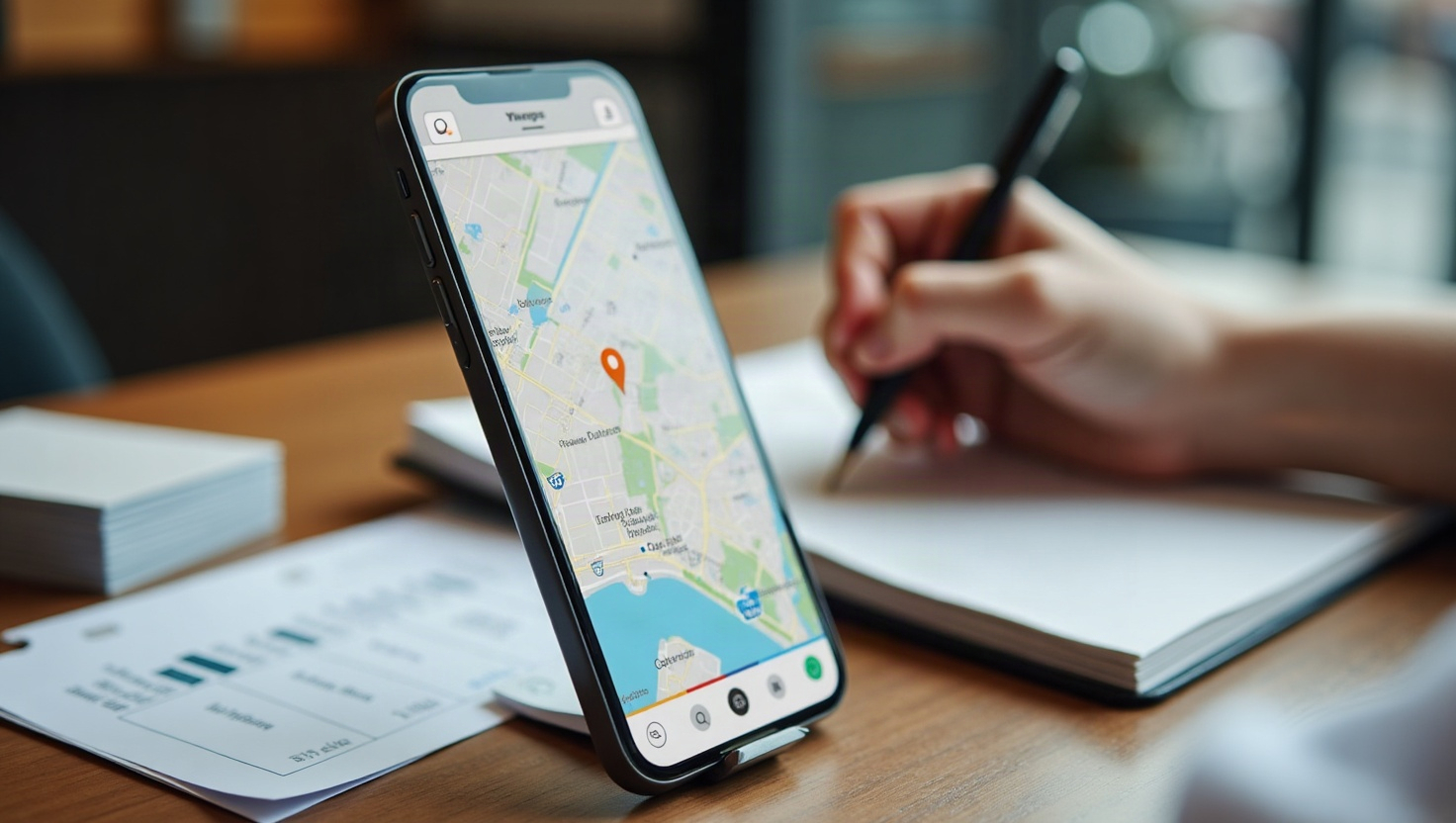
Google Business Profile Website Link: Why an Empty Field Costs You Local Customers
webceke
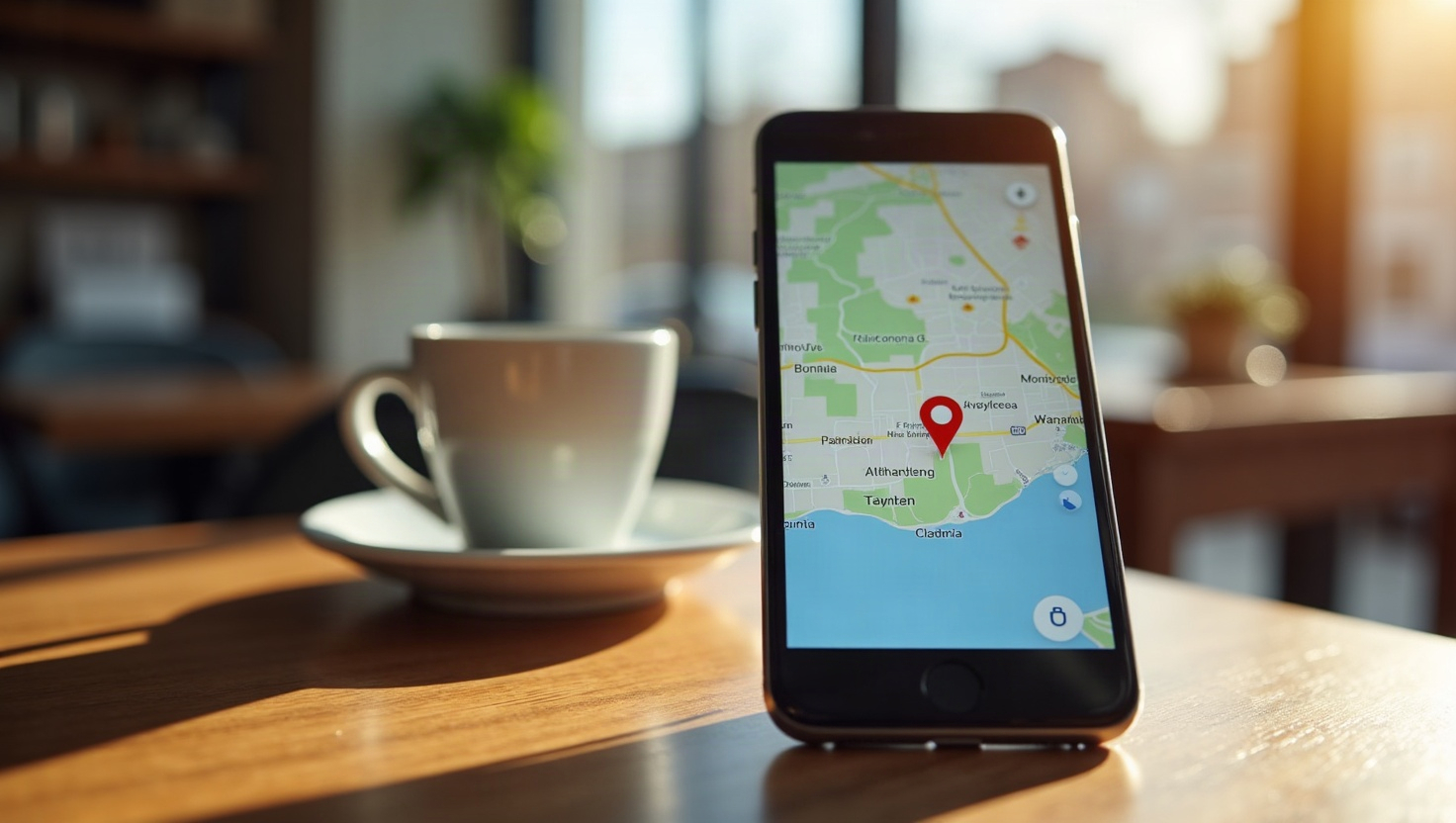
If your Google Business Profile has an empty website field, or points to a Facebook page instead of your own site, you're handing local search visibility to competitors. Google uses that link as a strong relevance and trust signal, and customers use it to decide whether you're worth contacting.
Why the Website Field Matters More Than You Think
Google's local ranking factors lean heavily on consistency and authority. A verified domain in your profile tells Google three things: you own a real business asset, your information is trustworthy, and you deserve to be shown for queries like "plumber near me" or "best coffee shop downtown."
Pointing to a social page weakens all three signals. Social profiles don't carry your NAP data (name, address, phone), they don't load your services schema, and they often bury your contact details behind a login wall. Worse, you can't control how that page looks or converts.
If you don't have a proper site yet, tools like webceke can generate a complete, multilingual, multi-page website from a single sentence about your business — which means you can fill that field today instead of someday.
How to Add and Verify Your Website Link
Adding the link is simple, but verifying it correctly is where most owners slip up.
- Sign in to Google Business Profile Manager and select your location.
- Click Edit profile, then find the Website field.
- Paste the exact URL of your homepage — not a landing page, not a shortened link, not a social URL.
- Use HTTPS. If your site still runs on HTTP, fix that first; Google flags insecure links.
- Save, then wait for Google to re-verify the change. This can take a few hours to a few days.
Once live, check that clicking the link from Google Maps on mobile opens your site correctly. Broken redirects here cost you real customers.
Use a Tracked URL to Measure Traffic from Maps
You can't improve what you don't measure. Replace your plain homepage URL with a UTM-tagged version so Google Analytics (or your analytics tool of choice) separates Maps traffic from organic search.
A basic tagged URL looks like this:
`` https://yoursite.com/?utm_source=google&utm_medium=organic&utm_campaign=gbp ``
After a week or two, you'll see exactly how many sessions, calls, and form fills come from your profile. If the number is low, your profile photos or categories may need work. If it's high but conversions are weak, your landing page is the problem.
One caution: some owners worry that UTM parameters hurt local rankings. They don't. Google treats them as standard tracking and ignores them for ranking purposes.
Keep Hours, Photos, and Services Synced with Your Site
Google cross-references your profile against your website. When the two disagree, trust drops.
- Hours: Update both places for holidays, seasonal changes, and temporary closures. Mismatched hours are one of the most common reasons customers leave bad reviews.
- Photos: Upload the same high-quality images to your site's gallery and your profile. Fresh photos every few weeks signal an active business.
- Services: List every service on your site's service pages and mirror them in the profile's Services section. Use the same wording so Google can match them.
If you change a service or price on your site, update the profile the same day. Consistency is the whole game.
NAP Consistency Checklist
Your name, address, and phone number must match exactly across every platform. Even small differences — "St." versus "Street," or a suite number in one place and not another — can split your local signals.
- [ ] Business name matches your signage, site, and profile exactly
- [ ] Address format is identical everywhere (including suite/unit)
- [ ] Phone number uses the same format and is a local number if possible
- [ ] Website URL is your own domain, HTTPS, and matches your footer
- [ ] Hours, categories, and services are identical on site and profile
- [ ] NAP appears in your site's footer and contact page
- [ ] You've removed duplicate or outdated listings on other directories
Run through this list quarterly. Local rankings reward the businesses that keep their data clean.
The Bottom Line
Your Google Business Profile and your website should reinforce each other, not compete. Fill in the website field with a verified, tracked URL, keep hours and services synced, and treat NAP consistency as an ongoing habit rather than a one-time task.
If your site is the missing piece, webceke can build you a complete, multilingual website from a single sentence — so you can finally put a real link in that field and start capturing the local traffic you've been losing. Try it free and see your first page live in minutes.